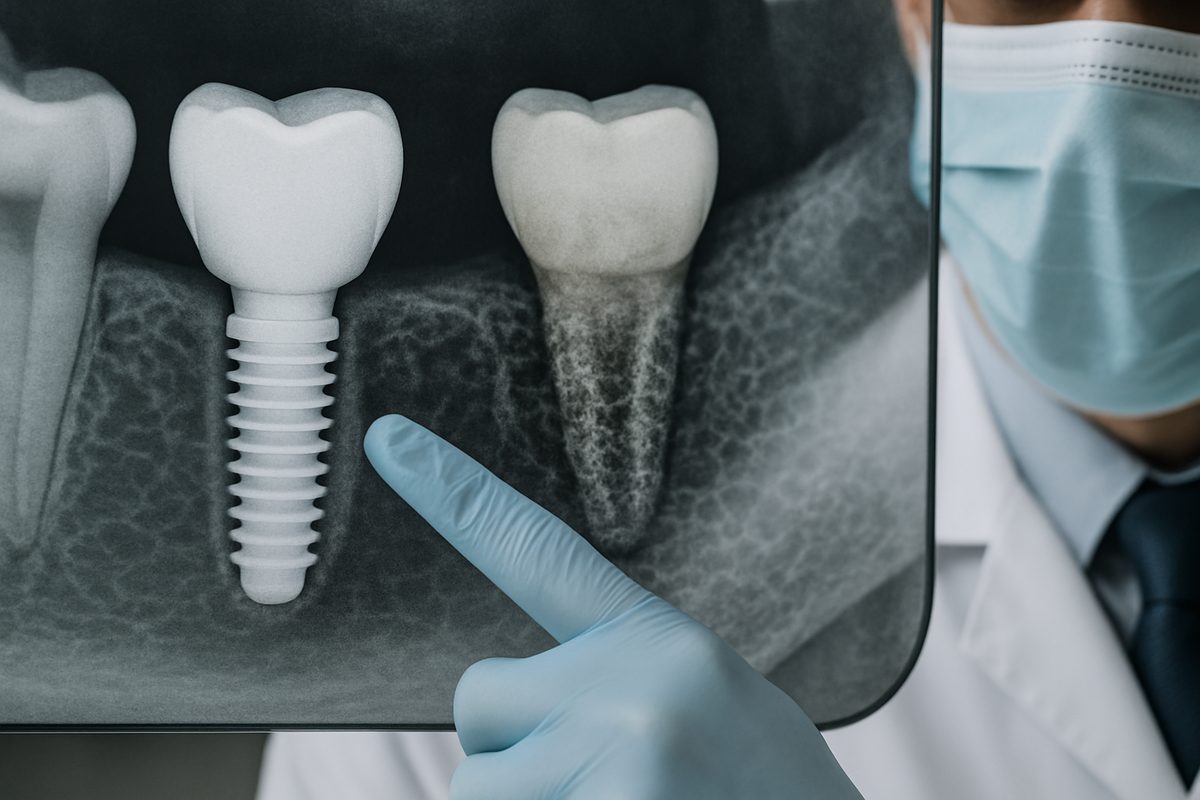
A common question patients ask is how long dental implant last. Dental implants are titanium or zirconia posts placed into the jaw to replace missing teeth and hold crowns or full-arch restorations. This article explains what affects implant longevity, typical lifespans for single implants and All‑On‑4, common problems to watch for, everyday care tips, repair options, and how to choose a provider who helps implants last.
What determines how long dental implant last
Implant material and design
Titanium implants have decades of research and strong long-term success. Zirconia is metal-free and offers good aesthetics and biocompatibility. High-quality materials and modern implant designs reduce stress on bone and lower failure risk.
Surgical technique and experience
Accurate placement matters. Experienced surgeons use imaging and guided techniques to position implants in optimal bone. When bone is thin, proper grafting and timing help ensure stable results and longer implant life.
Patient health and oral environment
Bone quality, gum health, smoking, uncontrolled diabetes, and bruxism (teeth grinding) all affect outcomes. Good oral hygiene and medical control of conditions make implants much more likely to last for many years.
Average lifespan: single implants, crowns, and All‑On‑4
With proper care, the implant body can last 10–30+ years and often a lifetime. Crowns and abutments may wear or chip and typically need replacement every 8–15 years depending on material and use. All‑On‑4 full‑arch solutions are durable but may require more frequent prosthetic maintenance or relines than single-tooth restorations.
Common problems that shorten implant life
Peri-implantitis (infection and bone loss around the implant) is the leading cause of late failure. Other issues include implant mobility from poor integration, prosthetic wear or fracture, and tissue inflammation. Watch for pain, swelling, pus, or a loose crown — seek care quickly.
Everyday steps to make implants last longer
Brush twice daily with a soft brush, floss or use interdental brushes around implant crowns, and rinse with an antimicrobial if recommended. Schedule professional cleanings every 3–6 months as advised. Quit smoking, treat gum disease promptly, and manage bruxism with a night guard if you grind your teeth.
Repairs, replacement, and cost considerations
Often only the crown or abutment needs replacement, which is faster and less expensive than replacing the implant body. Full implant replacement is uncommon but may be required for severe infection or bone loss. An on‑site lab can speed repairs and reduce time spent without a tooth.
Choosing a provider for long‑lasting results
Look for a team with training in implant surgery and restorative planning, options like zirconia implants, and evidence-based follow-up care. Parkway Dental Center in Minneapolis offers implant and All‑On‑4 experience, zirconia choices, and a state‑of‑the‑art on‑site lab; Dr. Catalin Constantin, Dr. Michael Determan, and Dr. Magaly Ferreira work together to plan durable outcomes.
Next steps: Is a dental implant right for you?
If you want a personalized plan for how long dental implant last in Minneapolis and a maintenance program for long-term success, schedule a consultation at Parkway Dental Center to review options, timelines, and a care plan tailored to your health and goals.