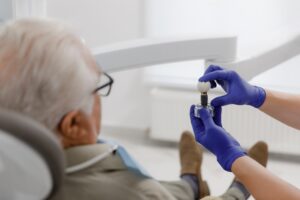
If you are researching dental implant grafting in Minneapolis, this article breaks down what grafting is, when it’s needed, and what to expect. We cover common implant options including All‑On‑4, zirconia implants, single‑tooth implants, crowns, and full‑arch prostheses so you can see how grafting fits into each plan.
You’ll learn indications, treatment timing, graft material choices, and the typical planning and recovery steps. Use this guide to prepare questions for your consultation and to compare options for dental implant grafting in Minneapolis.
What is dental implant grafting in Minneapolis?
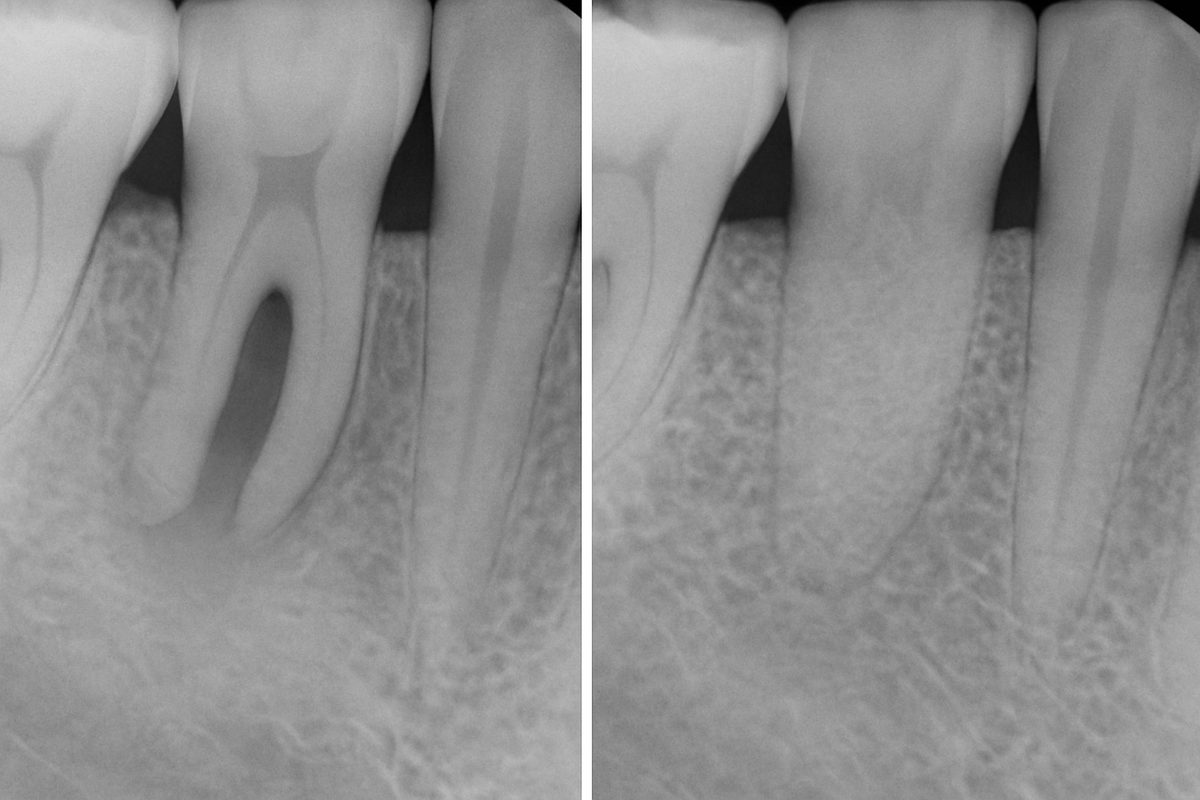
Dental implant grafting in Minneapolis rebuilds lost bone and sometimes soft tissue so dental implants have enough support. The goal is to restore function and esthetics so your implant, crown, or prosthesis lasts longer and looks natural.
Implants have three basic parts: the implant (the titanium or zirconia post), the abutment (connector), and the crown or prosthesis. Grafting helps create a stable foundation for the implant and supports the gum shape around the final restoration.
When is dental implant grafting needed in Minneapolis?
Dental implant grafting in Minneapolis is commonly needed after tooth loss leads to bone shrinkage. Other reasons include infection after an extraction, trauma, long‑term missing teeth, ridge defects, or changes in the sinus that reduce upper jaw bone height.
Grafting can be immediate (at the time of extraction) or delayed. Socket preservation after extraction reduces future bone loss and can simplify later implant placement. Your dentist will recommend timing based on your anatomy and goals.
Types of grafts used for dental implant grafting in Minneapolis
Autografts
Autografts use bone from your own body (chin, jaw, or hip). Pros: best biological match and faster integration. Cons: extra surgical site, more discomfort, and longer surgery time.
Allografts and xenografts
Allografts come from human donors; xenografts come from animals (usually bovine). These options avoid a second surgical site and are safe when processed properly. Healing timelines are typically similar to each other but can be slower than autografts.
Synthetic grafts and biologics (PRF, BMPs)
Synthetic materials and growth factors (platelet‑rich fibrin, BMPs) are used to boost healing or when donor bone isn’t ideal. They can speed recovery and improve bone volume in some cases, especially when combined with other graft materials.
Membranes and guided bone regeneration
Membranes protect and stabilize graft material while new bone forms. Guided bone regeneration helps shape the ridge and keeps soft tissue from collapsing into the grafted area.
Sinus lifts and ridge augmentation for dental implant grafting in Minneapolis
For upper back jaw implants, a sinus lift increases bone height. A crestal (through the implant site) lift works when only a small lift is needed. A lateral (side) window approach is used for larger lifts.
Ridge augmentation rebuilds a narrow or collapsed jaw ridge so implants can be placed in the correct position for function and esthetics. These procedures may add months to treatment but improve long‑term outcomes.
All‑On‑4 and full‑arch care: grafting considerations in Minneapolis
All‑On‑4 plans sometimes avoid grafting by placing implants at angles to use available bone. That can reduce the need for grafts and shorten treatment. However, severe bone loss may still require grafting for optimal long‑term support — especially if zirconia full‑arch prostheses or ideal esthetics are desired.
Discuss immediate function options and whether temporary teeth will be fixed to implants the same day; grafting can make immediate loading more complex.
Zirconia vs titanium implants and grafting in Minneapolis
Zirconia implants are metal‑free and often chosen for esthetics or metal sensitivity. Titanium implants have a long track record and predictable integration. Grafting decisions are similar for both, but some clinicians adjust material choices based on soft tissue needs or future esthetic demands. Current evidence supports both materials, though long‑term data on zirconia is growing.
How dental implant grafting fits into the treatment process in Minneapolis
Evaluation and planning
Expect a clinical exam and CBCT 3D imaging to measure bone volume and plan implant positions. Bite analysis and gum assessment help create a graft + implant plan tailored to your mouth and desired outcome.
Surgery, healing and final prosthesis
Grafting surgery may be done alone or with implant placement. Healing and bone maturation can take 3–9 months depending on the graft. Osseointegration of the implant then begins. Temporaries protect function and esthetics while the site heals, and the lab fabricates the final crown or prosthesis.
Cost, insurance and financing for dental implant grafting in Minneapolis
Costs vary widely. Simple socket preservation with a single implant is less expensive than large ridge augmentation or sinus lifts. Full‑arch solutions like All‑On‑4 or zirconia prostheses are higher cost but replace an entire arch. Insurance sometimes covers part of grafting if related to medical necessity; many practices offer financing plans to spread payments. Get written estimates and compare materials, lab fees, and follow‑up care.
Risks, success rates and care after dental implant grafting in Minneapolis
Complications include infection, graft failure, and peri‑implantitis. Success depends on surgical technique, graft choice, and patient health. Most grafts and implants succeed when guidelines are followed.
- Post‑op care: follow antibiotics and oral rinses as directed.
- Daily hygiene: gentle cleaning around grafts, then routine brushing and flossing after healing.
- Avoid smoking and manage bruxism to improve outcomes.
Why choose Parkway Dental Center for dental implant grafting in Minneapolis
Parkway Dental Center provides advanced implant care with an on‑site lab and a team that includes Dr. Catalin Constantin, Dr. Michael Determan, and Dr. Magaly Ferreira, DDS. The clinic offers All‑On‑4, zirconia implant options, and financing or insurance guidance. Their on‑site lab shortens turnaround for crowns and prostheses and helps maintain consistent quality.
Contact Parkway Dental Center to schedule a grafting and implant evaluation and get a personalized plan for dental implant grafting in Minneapolis.
Frequently asked questions about dental implant grafting in Minneapolis
Does grafting hurt? Most patients have discomfort controlled with local anesthesia and prescriptions. Expect swelling and mild pain for several days.
How long until I can place an implant after grafting? Healing time varies. Small grafts may allow implant placement in 2–4 months; larger grafts or sinus lifts may take 4–9 months.
Can I smoke with grafts and implants? Smoking greatly increases the risk of graft and implant failure. Quitting before surgery improves success rates.
What’s the difference between zirconia and titanium for grafted sites? Both integrate with grafted bone, but titanium has longer-term data. Zirconia may be chosen for esthetic or metal‑sensitivity reasons.
How long until I can eat normally after grafting? Soft foods are recommended for several days to weeks. Full chewing on the final restoration waits until the graft and implant are fully healed, per your surgeon’s timeline.
Several grafting options exist to rebuild bone and support implants. For a personalized plan for dental implant grafting in Minneapolis, schedule an evaluation to discuss timing, materials, and cost.