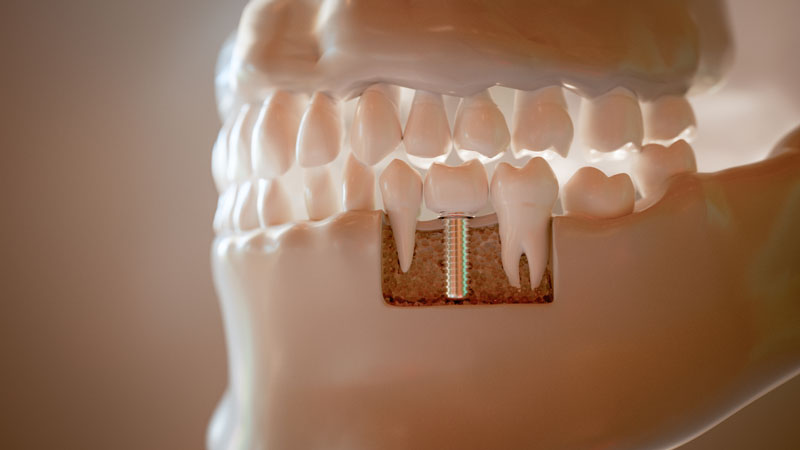
Thinking about dental implanta? This guide explains what a dental implanta is, who might benefit, and what to expect if you choose implants. Read on for clear steps, common risks, and simple next actions so you can decide if implants fit your needs.
What Are Dental Implants?
A dental implanta is a permanent replacement for a missing tooth. It has three parts:
- Implant post: a small titanium screw placed into the jawbone that acts like a tooth root.
- Abutment: a connector that sits on the post and holds the replacement tooth.
- Crown: the visible tooth-shaped cap that looks and functions like a natural tooth.
Because the implant post fuses with bone, a dental implanta feels and performs much like a real tooth. Implants protect nearby teeth from extra wear and help keep your jawbone healthy.
Who Is A Good Candidate For Dental Implanta?
Not everyone needs or is ready for a dental implanta. Below are common situations where implants are often recommended.
Missing one or more teeth
Implants are ideal when you have one or more missing teeth and want a long-term fix. They are usually recommended over bridges when:
- You want to avoid altering healthy adjacent teeth.
- You need better chewing strength and stability than dentures provide.
- You want a solution that lasts many years with proper care.
Health and bone considerations
Good candidates generally meet these basic health checks:
- Overall good health (no uncontrolled chronic conditions)
- Healthy gums free of active gum disease
- Enough jawbone to support the implant
If jawbone is low, a bone graft may be recommended first. Smoking and some medical conditions can affect healing; your dentist will review risks with you.
What To Expect: Procedure, Recovery, and Timeline
Here’s a simple timeline of the implant process:
- Consultation and imaging: X-rays or 3D scans to plan placement and check bone.
- Implant placement: The post is placed in the jaw during a minor surgery.
- Healing (osseointegration): Bone grows around the post. This usually takes several months.
- Abutment and crown: After healing, the abutment is attached and a custom crown is placed.
Common recovery experiences include mild swelling, bruising, and discomfort for a few days. Most people manage pain with over-the-counter medication and return to normal activities within a few days. Follow-up visits ensure proper healing and fit.
Basic aftercare includes good oral hygiene, avoiding hard foods on the new tooth during healing, and regular dental checkups.
Risks, Cost, Alternatives, and Next Steps
Possible risks and complications are uncommon but can include:
- Infection at the implant site
- Implant failure if bone doesn’t fuse properly
- Nerve or sinus issues in rare cases
Cost depends on factors like the number of implants, need for bone grafting, type of crown, and imaging. Talk with your dental team about a clear estimate and payment plans or financing options.
Non-implant alternatives include bridges and dentures. Bridges may be quicker but require altering nearby teeth. Dentures are less expensive but can feel less stable.
When you visit a local dental team for a consultation, they will:
- Review your medical history and take imaging
- Check gum and bone health
- Discuss options, timelines, and costs
- Explain financing or insurance steps and what to bring (ID, list of medications, dental records)
If you think a dental implanta could help you, call to book an exam. A short consultation will give you a personalized plan and clear next steps toward a healthy, natural-feeling smile.