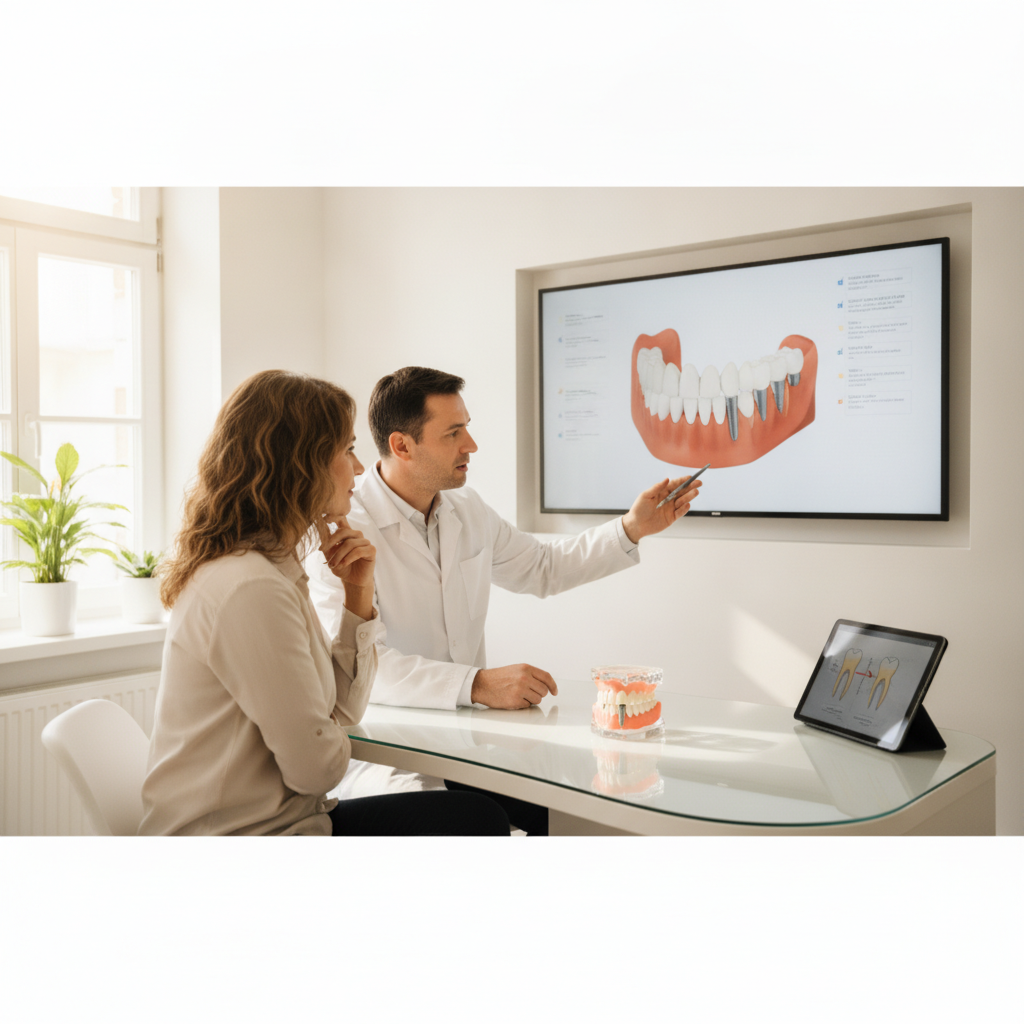
A tooth implant is one of the most popular ways to replace a missing or badly damaged tooth. Whether you lost the tooth to an injury, decay, or gum disease, knowing how implants work can help you make a confident decision about your oral health.
At Parkway Dental Center in Minneapolis, MN, single implants are one of the most common treatments we provide. Here’s what to expect.
What Is a Tooth Implant?
A tooth implant is a small titanium post placed in the jawbone beneath the gum line. Once it bonds with the bone, it supports a replacement tooth or bridge. Unlike dentures, implants are permanent and work much like natural teeth.
Each implant has three parts: the post, an abutment that connects to it, and the crown you see when you smile.
Benefits of a Tooth Implant
Tooth implants have a lot going for them. They’re built to last decades, and with good care, they can last the rest of your life. They also look like natural teeth, so you can smile, laugh, and eat in public without feeling self-conscious. Many of the dental implant benefits come down to everyday comfort, like biting into an apple or chewing on both sides again.
Implants also make oral hygiene easier, since they don’t require reshaping healthy neighboring teeth, and they help keep your jawbone from shrinking where the tooth used to be.
The Tooth Implant Procedure: What to Expect
First, you’ll have a consultation, including a 3D cone-beam CT scan, to check your bone and plan the best approach. At Parkway Dental Center, implants are placed with a custom surgical guide while you’re comfortable under sedation, and a temporary tooth is often attached the same day.
After surgery, you’ll come back for follow-up visits while the implant heals and bonds with the bone. Once it’s ready, usually within three to six months, your final crown is attached.
Potential Risks and Considerations
While tooth implants have a high success rate, any surgery comes with some risk, including infection at the implant site, injury to nearby structures, and nerve damage. Careful planning and following your aftercare instructions help keep those risks low. Full healing takes several months as the implant fuses with your jawbone.
Over the long term, the main thing to watch for is peri-implantitis, an infection of the gums around the implant. Good brushing, flossing, and regular checkups help prevent it.
Cost of Tooth Implants: Factors to Consider
The cost of a tooth implant depends on the materials used, whether you need extra work like a bone graft, and how complex your case is. Many dental insurance plans don’t fully cover implants, but financing options are available, and Parkway Dental Center will file insurance claims on your behalf. Talking through costs at your consultation helps you plan with confidence.
Comparing Tooth Implants to Other Options
Unlike bridges, implants don’t require shaving down the healthy teeth on either side, so more of your natural tooth structure stays intact. Unlike dentures, they don’t need adhesive or come out at night. Many people choose implants for that permanence and stability.
Patient-Centered Care at Parkway Dental Center
At Parkway Dental Center, we create a personal treatment plan for every patient. Our in-house lab, digital scans, and guided surgery help us deliver precise results, and you’ll never be pressured into more treatment than you need.
FAQs About a Tooth Implant
How long does a tooth implant procedure take?
Placing the implant often takes just a few hours, but full healing can take several months.
Can anyone get a tooth implant?
Most adults are good candidates, sometimes after bone grafting. A personal evaluation is the only way to know for sure.
Are tooth implants painful?
The procedure is done under sedation, and most patients report only minor discomfort afterward.
How do I care for my tooth implant?
Regular dental hygiene practices, like brushing twice a day and flossing daily, keep your implant healthy. Keep up with checkups every six months, too.
Filling the Gap and Smiling Again
A missing tooth can change how you eat, talk, and feel about your smile, but it doesn’t have to be permanent. Contact Parkway Dental Center to schedule a consultation, and we’ll guide you through each step toward a healthier, more confident smile with a tooth implant.