Dental health is crucial to overall well-being and aesthetics, addressing concerns from daily functionality to self-esteem. If you’re navigating tooth loss or persistent dental issues, you’re likely considering your options, possibly wondering, ‘what are implants, and are they right for me?’ Dental implants could offer a sustainable, effective solution, combining functionality with a natural look and feel.
What Are Dental Implants?
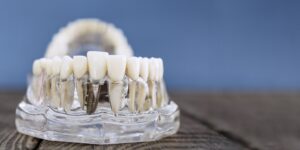
Dental implants explained simply, they are titanium posts surgically positioned into the jawbone beneath the gum line. These serve as a robust base for mounting replacement teeth. The implant itself mimics your natural tooth roots, providing stabilization and durability.
Types of Dental Implants
There are primarily two types of implants: endosteal and subperiosteal. Endosteal implants are placed into the jawbone, the most common type, favored for strong jawbone support. Subperiosteal implants rest on the bone but under the gum, fitting well for patients with inadequate jawbone height who are not candidates for augmentation procedures.
The Benefits of Dental Implants
Dental implants offer myriad benefits beyond aesthetic improvement. They provide significant oral health benefits by preventing bone loss, maintaining facial structure, and not affecting surrounding teeth. Implants allow for improved bite force akin to natural teeth, so you’ll enjoy eating a wide array of foods without difficulty.
Are Dental Implants Right for You?
Not everyone is an ideal candidate for dental implants; the procedure’s success relies heavily on various factors. Good general and dental health, sufficient jawbone density, and healthy gums are essential. Patients should be committed to good oral hygiene and regular dental visits.
Personal Evaluation with Our Specialists
At Constantin, Catalin’s practice, we perform comprehensive evaluations to determine if implants suit you, considering your oral health history and performing necessary imaging to assess bone conditions.
The Dental Implant Procedure
Understanding the process is vital. The procedure involves several steps: initial evaluation, surgical placement of the implant, osseointegration (where the bone grows around the implant to secure it), the abutment placement, and finally, attaching the prosthetic or crown. Recovery times vary, but typically range from a few weeks to several months, depending on individual health factors.
Comparing Dental Implants to Other Options
While dental bridges and dentures also replace missing teeth, they differ in longevity and daily comfort. While implants are more invasive initially, they offer a long-term solution requiring minimal maintenance compared to dentures that may require adjustments and replacements over time.
The Pros and Cons
Implants offer permanence and durability unmatched by other options, but they require thorough surgical practices and financial investment. It’s crucial to weigh these factors alongside the benefits they can provide.
Cost Factors of Dental Implants
The cost of dental implants can vary significantly, influenced by the number of implants, the need for bone grafting, and your insurance plan. At the Constantin, Catalin practice, we’ll work with you to develop a treatment plan aligning with your financial situation and needs.
Choosing a Dental Implant Specialist
Selecting a highly qualified, experienced specialist is essential. At our Minneapolis Dental Implant Center, we emphasize advanced technology and personalized care plans, ensuring comfort and superior treatment outcomes.
FAQs About Dental Implants
-
Is the implant procedure painful? Local anesthesia minimizes discomfort during the procedure, with post-surgical pain managed effectively with prescribed medication.
-
Will there be dietary restrictions post-procedure? Yes, a softer diet is recommended initially. Gradually, you can reintroduce various foods as healing progresses.
-
How long do dental implants last? With proper oral hygiene and regular check-ups, dental implants are designed to last many years, often decades.
-
What if I have insufficient bone for implants? Bone grafting is a beneficial procedure to augment bone volume, potentially making you a suitable candidate for implants.
Contact Us to Learn More
If you’re considering dental implants, schedule a consultation with us at Constantin, Catalin’s All Beautiful Smiles. Our patient-focused approach and advanced treatment options ensure you’re in capable hands, making your journey to restored dental health seamless and informed.