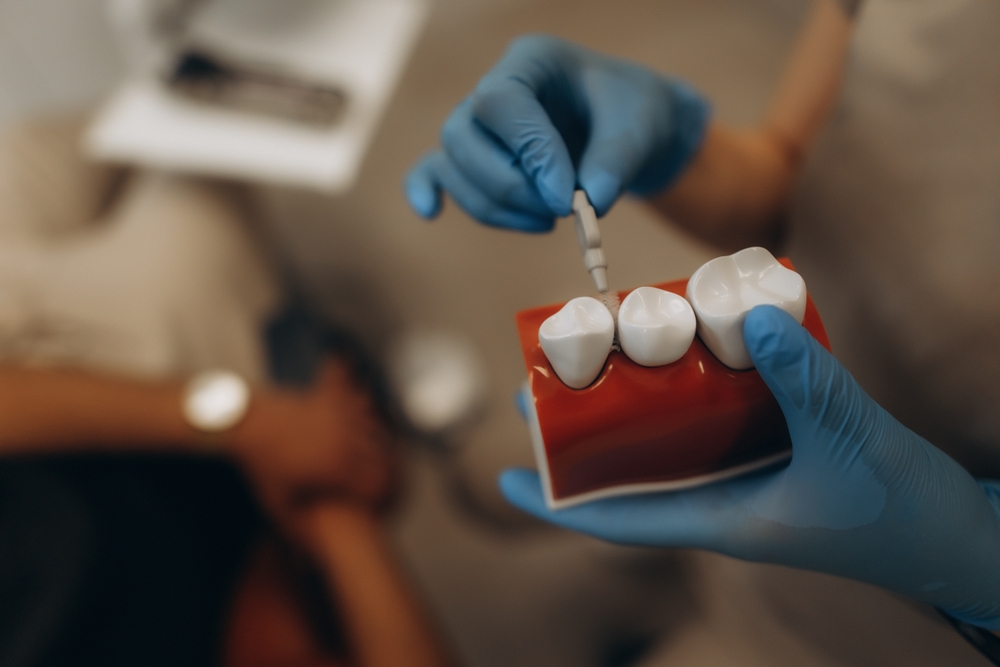
If you find yourself wondering, “What is a dental bridge and how does it work?” you’re not alone. Many individuals seeking to restore their smile or improve function after tooth loss turn to dental bridges as a reliable solution. Understanding what a dental bridge is and how it works is vital for informed decision-making regarding your oral health.
What Is a Dental Bridge?
A dental bridge is a fixed prosthetic device used to replace missing teeth. Unlike removable dentures, dental bridges are cemented onto existing teeth or implants and can only be removed by a dentist. They literally bridge the gap created by one or more missing teeth.
Types of Dental Bridges
There are several types of dental bridges:
-
Traditional Bridges: These consist of one or more false teeth held in place by dental crowns cemented onto the abutment teeth. This is the most common type of dental bridge.
-
Cantilever Bridges: Used when there are adjacent teeth on only one side of the missing tooth or teeth.
-
Maryland Bridges: Also known as resin-bonded bridges, they use a framework with metal or porcelain wings bonded to the backs of your existing teeth.
-
Implant-Supported Bridges: Similar to traditional bridges but they are held in place by dental implants rather than crowns.
How Does a Dental Bridge Work?
A dental bridge functions by anchoring the false tooth in the space left by a missing tooth, held secure by natural teeth or implants located on either side of the gap. This process restores your bite and maintains the natural shape of your face.
Restoring Dental Function
By replacing missing teeth, a dental bridge allows you to speak, chew, and smile with confidence. It distributes the forces in your bite properly, sometimes with multiple teeth connected, which is vital for maintaining oral health over the long term.
The Dental Bridge Function in Everyday Life
The benefits of a dental bridge extend beyond aesthetic improvements. It can ease the discomfort associated with missing teeth and prevent existing teeth from drifting out of position, which can lead to a malocclusion, or improper bite.
Factors Impacting the Bridge’s Effectiveness
The success and lifespan of a dental bridge depend on various factors, including:
-
Oral Hygiene: Keeping the teeth healthy is critical to supporting the bridge.
-
Dental Professional’s Skill: Proper planning and procedure execution ensure a good fit and function.
-
Material Quality: Modern materials offer durability and a natural appearance.
Comparing Dental Bridges and Other Options
While dental bridges are a popular choice, it’s essential to consider how they compare to alternative treatments like dental implants or dentures.
Pros and Cons
Bridges: Less expensive than implants but require alteration of healthy teeth.
Implants: More durable and do not compromise adjacent teeth but can be costlier. For those considering implants, it’s helpful to know what happens during a dental implant procedure.
Dentures: Removable but lack the stability and comfort of permanent solutions.
Suitability for Different Patients
A dental bridge might be recommended for patients who are not ideal candidates for implants due to bone loss in the jaw, health considerations, or budget constraints.
Steps in Getting a Dental Bridge
Getting a dental bridge is a straightforward process involving several critical steps to ensure effectiveness and comfort.
Evaluation and Planning
A comprehensive evaluation with x-rays and impressions ensures personalized treatment planning, considering aesthetics and function.
Procedure Overview
The procedure typically involves preparing the abutment teeth, taking impressions, and fitting a temporary bridge until the permanent one is ready. The final step is placing the permanent bridge, adjusting for fit, and cementing it into place.
Follow-Up Care and Maintenance
Regular dental visits and maintaining excellent oral hygiene are crucial for the long-term success of your dental bridge. Flossing, brushing, and possibly using special bridge flossers will be necessary to keep the area clean.
Who Should Consider a Dental Bridge?
Ideal candidates for a dental bridge are individuals with one or more missing teeth who have healthy teeth on either side of the gap or those with enough bone structure for implants if considering an implant-supported bridge.
Factors Affecting the Cost of a Dental Bridge
The cost of a dental bridge can vary based on the complexity of the case, the materials used, and the geographical location of the dental practice.
Influences on Pricing
Larger frameworks, premium materials, and additional prep work can all affect the overall cost. It’s important to discuss financing options, which may include payment plans or insurance coverage.
FAQs About Dental Bridges
How long does a dental bridge last?
With proper care, dental bridges can last anywhere from 5 to 15 years. Regular check-ups are essential.
Is the procedure painful?
The procedure is generally not painful, as local anesthesia is used. Some discomfort afterward is normal but manageable.
Can I eat normally with a dental bridge?
Yes, most patients can enjoy their usual diet, although it might be necessary to avoid hard foods initially.
How do I care for my dental bridge?
Maintain regular dental visits and clean your bridge and teeth thoroughly, focusing on the area around and under the pontic.
Conclusion and CTA
Dental bridges provide a reliable, long-lasting solution for those with missing teeth, restoring both function and confidence. If you are considering your options, schedule a consultation with Constantin, Catalin at AllBeautifulSmiles.com. Our Dental Implant Center in Minneapolis is ready to help you achieve a healthy, full smile. For those still undecided, exploring how zirconia dental implants in Minneapolis, MN, can benefit you might offer additional insights.