A permanent tooth implant is a long-term way to replace a missing tooth with a natural-looking, stable solution. Many patients at Parkway Dental Center choose a permanent tooth implant over a bridge or removable denture because implants look and function more like a real tooth while helping preserve jawbone health. This guide explains what an implant is, who’s a candidate, what treatment involves, cost and care considerations, and how to find the right provider in Minneapolis.
What Is a Permanent Tooth Implant?
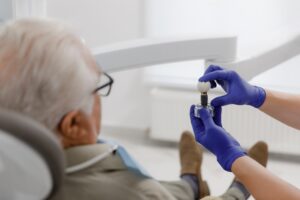
A permanent tooth implant is a three-part system that replaces a missing tooth. The implant is a titanium post placed into the jawbone that acts like a tooth root. The abutment is a small connector attached to the implant. The crown is the visible, tooth-shaped cap that fits over the abutment and is custom-made to match your smile.
What Are the Benefits of a Permanent Tooth Implant?
A permanent tooth implant offers stability for chewing and speaking similar to a natural tooth, along with improved appearance and confidence since the crown is made to match your surrounding teeth. Implants also help preserve the jawbone, since the post stimulates the bone the same way a natural tooth root does, preventing the bone loss that often follows tooth loss. With good care, implants can last many years or even a lifetime.
Who Is a Good Candidate for a Permanent Tooth Implant?
Good candidates typically have healthy gums and enough jawbone density to support the implant. Bone density, gum health, certain medical conditions like diabetes or immune issues, medications that affect healing, and lifestyle factors like smoking can all influence candidacy and timing. Patients with low bone density may still be candidates after a bone graft rebuilds enough support for the implant.
When Are Implants Preferred Over Bridges or Dentures?
Implants are often the better choice when you want a long-term, single-tooth replacement that preserves your adjacent healthy teeth. Unlike a bridge, an implant doesn’t require grinding down neighboring teeth to anchor the restoration. Compared with removable dentures, implants offer better function, comfort, and jawbone preservation over time.
What Happens During the Permanent Tooth Implant Process?
Consultation and Treatment Planning
Your first visit includes a clinical exam and imaging, such as X-rays or a CBCT scan, to evaluate your bone and nearby structures. Dr. Constantin and our team will review your options, explain timelines, and plan any needed preparatory work, like grafting or extractions.
Surgery and Healing (Osseointegration)
During surgery, the implant post is placed into the jawbone. Healing time while the bone fuses to the implant, known as osseointegration, typically takes three to six months, though it varies by location and patient health. Some patients receive a temporary restoration to wear during healing.
Final Restoration
After healing, the abutment is attached and a custom crown is placed. At this point, the implant functions like a natural tooth. Most patients return to normal eating and speaking within days, with full confidence once the final crown is in place.
What Affects the Cost of a Permanent Tooth Implant?
Cost depends on the number of implants needed, whether bone grafting or extractions are required, the type of implant and crown material chosen, and provider experience. Advanced imaging and guided surgery may add to the cost but can improve precision and long-term outcomes. Parkway Dental Center’s on-site dental lab helps keep restoration costs and turnaround time manageable.
How Do I Care for a Permanent Tooth Implant?
Brush twice daily and floss around the implant crown, using interdental brushes or floss threaders if recommended. Keep up with regular dental checkups and cleanings to monitor gum health around the implant, and avoid chewing very hard objects like ice or hard candy directly on the implant crown.
What Complications Should I Watch For?
Complications are uncommon but can include infection, slow healing, implant loosening, or nerve irritation. Contact your dentist if you experience persistent pain, swelling, pus, ongoing numbness, or a loose implant at any point after treatment.
How Do I Find the Right Provider for a Permanent Tooth Implant?
Choose a qualified dentist with implant training and experience. Look for clear credentials, documented cases or before-and-after photos, and patient reviews. Ask how many implants a provider places each year and whether they handle the entire process in-house or refer parts of treatment elsewhere.
Why Choose Parkway Dental Center for Your Permanent Tooth Implant?
Parkway Dental Center in Minneapolis offers in-house imaging and an on-site dental lab, allowing Dr. Catalin Constantin, Dr. Michael Determan, and Dr. Magaly Ferreira to plan and place permanent tooth implants efficiently, with financing available to help make treatment more accessible.
Frequently Asked Questions
How long does a permanent tooth implant last? With proper care, including regular brushing, flossing, and dental checkups, a permanent tooth implant can last for decades or even a lifetime.
Is getting a permanent tooth implant painful? The implant surgery itself is performed under local anesthesia, so patients typically don’t feel pain during placement. Some soreness during the healing period is normal and manageable.
Can I get a permanent tooth implant if I have bone loss? Often, yes. If imaging shows insufficient bone density, a bone graft can rebuild enough support for the implant before or during the placement process.
How soon after a tooth extraction can I get an implant? Some patients are candidates for immediate implant placement at the time of extraction, while others need a healing period first. Your dentist will determine the right timeline based on your individual case.
Does insurance cover permanent tooth implants? Coverage varies by plan. Parkway Dental Center is in-network with most major dental insurance providers and can help you understand your specific benefits.
What’s the difference between a permanent tooth implant and a bridge? An implant replaces the tooth root itself and doesn’t require altering neighboring teeth, while a bridge relies on adjacent teeth for support and typically requires grinding them down to anchor the restoration.
Ready to Learn If a Permanent Tooth Implant Is Right for You?
Schedule a consultation to review your imaging, discuss treatment options, and get a personalized plan and cost estimate. Call Parkway Dental Center at (612) 429-4330 or schedule an appointment at our office at 4701 Nicollet Avenue, Minneapolis, MN 55419.