If you’ve heard the term tooth insert Minneapolis, MN — a common phrase for dental implants — this post explains what it means, who it helps, and what to expect. It’s for anyone missing one or more teeth, considering full-arch options, or wanting to learn how implants compare to bridges and dentures.
What Is a Tooth Insert?
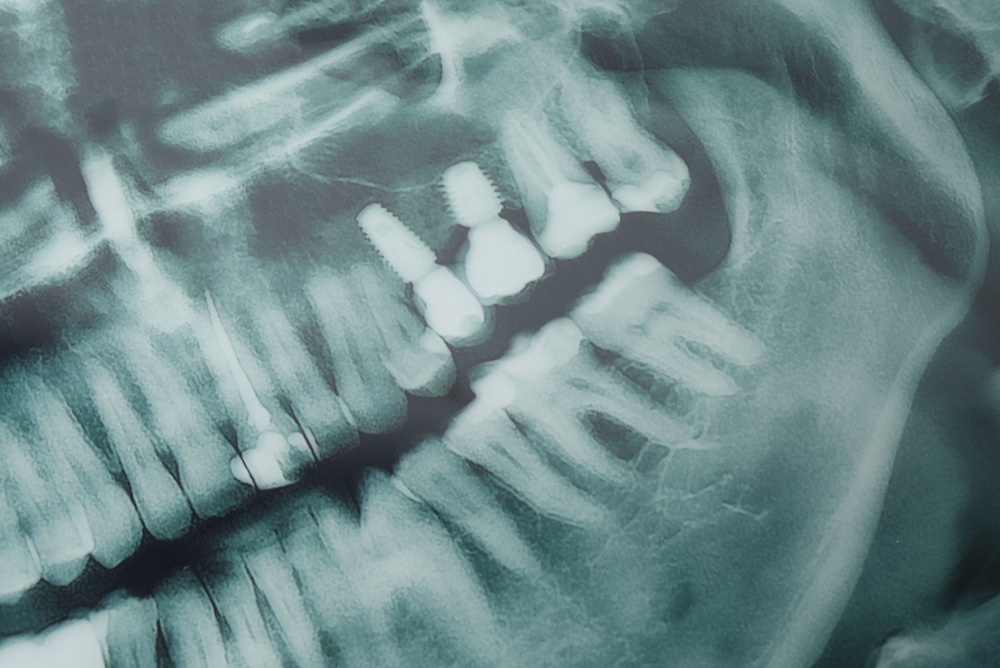
A tooth insert is a three-part solution that replaces a missing tooth. The implant (a titanium or zirconia post) is placed into the jawbone. An abutment connects the implant to the visible part. A crown, bridge, or prosthesis sits on top to restore chewing and appearance. Together, these parts act and look like a natural tooth.
Common types of tooth inserts
- Single-tooth implant — replaces one missing tooth with an individual implant and crown.
- Implant-supported bridge — uses implants to hold a bridge when multiple adjacent teeth are missing.
- All-On-4 full-arch — fixed full-arch restoration using fewer implants to support an entire upper or lower set.
- Zirconia implants — metal-free implants for patients seeking strong, aesthetic, biocompatible options.
Who Makes a Good Candidate for a Tooth Insert?
Good candidates have healthy gums and enough jawbone to hold an implant. Your overall health matters: conditions like uncontrolled diabetes or heavy smoking can raise risks and slow healing. Older age alone is not a barrier if bone and gum health are adequate.
When extra treatments are needed
If bone has shrunk from long-term tooth loss, a bone graft can rebuild the ridge. A sinus lift may be needed for upper back teeth with low sinus floors. Damaged or infected teeth may require extraction before an implant can be placed.
The Tooth Insert Procedure: Step-by-Step
Consultation and planning
Your dentist will take X-rays or a CBCT scan, review your health, and create a treatment plan. This visit sets the timeline and shows whether grafting or extractions are needed first.
Placement and healing
During implant surgery, the post is placed into the jaw. Healing takes weeks to months while bone grows around the implant — a process called osseointegration. Temporary restorations can be used for function and appearance during this time.
Final restoration
Once healed, the abutment is attached and the final crown, bridge, or full-arch prosthesis is fixed in place. The result restores chewing function and improves smile aesthetics.
Recovery, Care, and Longevity of a Tooth Insert
After surgery, follow soft-food and hygiene instructions, use prescribed rinses if advised, and attend follow-up visits. Maintain daily brushing and flossing around the implant. With good care, implants often last decades; factors that shorten lifespan include poor oral hygiene, smoking, untreated gum disease, and excessive bite forces.
Costs, Insurance, and Financing for a Tooth Insert
Costs depend on the number of implants, implant material (zirconia vs. titanium), need for grafting or sinus lifts, and lab work for restorations. Dental insurance may cover parts of the procedure but often not full implant costs. Many practices offer payment plans, third-party financing, or in-house options to make treatment manageable.
Why Consider Parkway Dental Center for Your Tooth Insert
Parkway Dental Center in Minneapolis, MN offers on-site lab work for faster, precise restorations, All-On-4 full-arch solutions, and zirconia implant options. The team — Dr. Catalin Constantin, Dr. Michael Determan, and Dr. Magaly Ferreira, DDS — focuses on patient comfort and evidence-based planning. Parkway accepts several financing options and is in-network with major insurers to help make implants more affordable.
Next Steps: Is a Tooth Insert Right For You?
Quick checklist: Do you have one or more missing teeth? Are your gums healthy or treatable? Do you want a long-term, natural-looking solution? If you answered yes, book a consult. Contact Parkway Dental Center for an evaluation, view patient forms, and schedule appointments through their patient portal to get started.