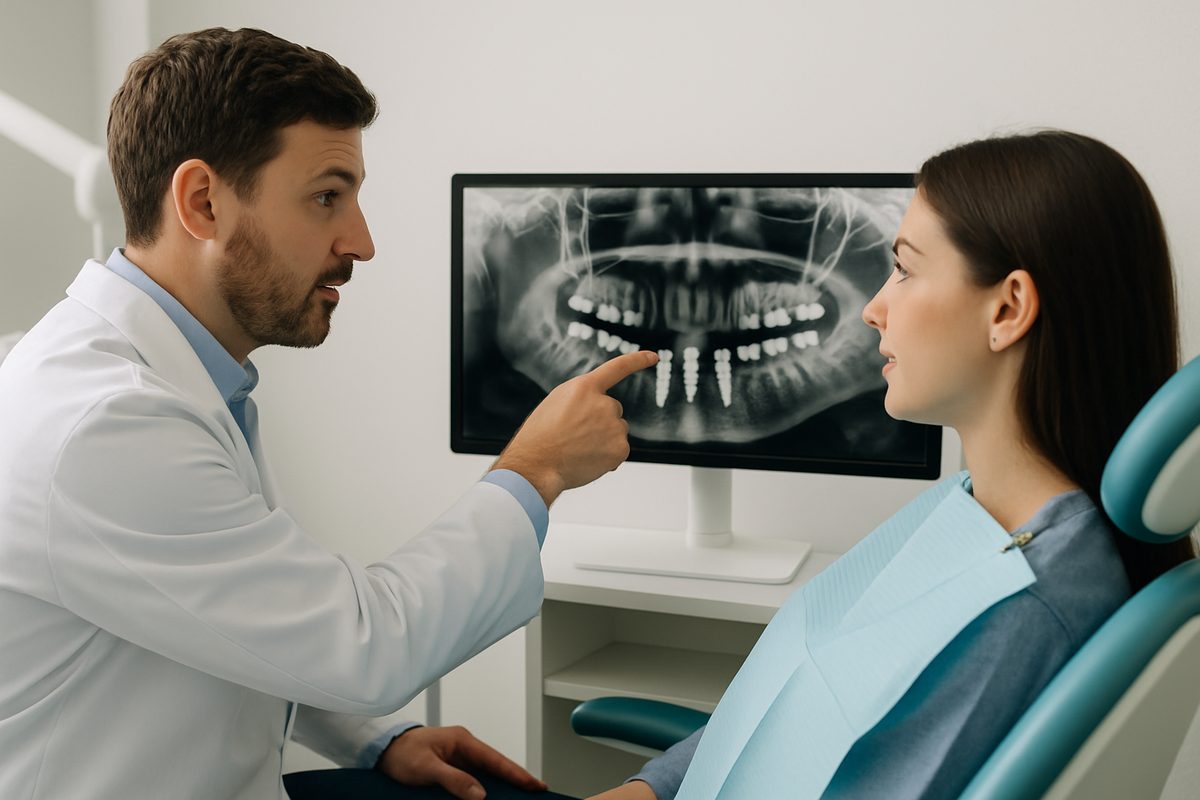
Information dental implants in Minneapolis, MN are permanent tooth replacements that use a titanium or zirconia post surgically placed into the jaw to support a crown, bridge, or full-arch prosthesis. This post explains who benefits from implants, the main types, the placement process, risks and lifespan, typical costs and insurance options, and how to take next steps. –
Key facts: information dental implants at a glance
– Implants replace tooth roots and support crowns, bridges, or full arches. – Typical lifespan: 10–30+ years with good care. – Common uses: single-tooth replacement, implant-supported bridge, All-On-4 full-arch restorations. – High success rates when candidate is healthy and follows care instructions. –
What are dental implants?
– Dental implants have three parts: the implant post (root), an abutment (connector), and the final crown or prosthesis. Unlike bridges, implants don’t rely on adjacent teeth for support. Unlike removable dentures, implants are fixed and feel more like natural teeth. –
Who is a good candidate?
– Ideal candidates are adults with good overall health, adequate jawbone volume, and healthy gums. Common reasons people choose implants include improved chewing, speech, comfort, and a natural appearance. Patients who smoke heavily, have uncontrolled diabetes, or certain medical conditions may need additional evaluation. –
When additional procedures are needed
– Bone grafts add volume when the jaw has resorbed after tooth loss. Sinus lifts create space for implants in the upper jaw near the sinuses. Extractions may be required for damaged teeth before implant placement. These steps improve implant stability and long-term success. –
Types of dental implants and restorations
–
Single-tooth implants
– Replace one missing tooth with a single post and crown for a natural look and preserved bone. –
Implant-supported bridges
– Replace several adjacent teeth without using natural teeth for support. –
All-On-4 full-arch solutions
– Fixed full-mouth restorations using fewer implants for complete arches, often with faster recovery. –
Zirconia (metal-free) implants
– Offer strong, tooth-colored options for patients seeking metal-free restorations and high aesthetics. –
The implant process: step-by-step
–
Consultation and treatment planning
– Exams, X-rays or CBCT scans, and a custom plan are created. –
Surgical placement of the implant
– The implant is placed into bone under local anesthesia; sedation is available if needed. –
Healing and osseointegration
– Bone fuses to the implant over 3–6 months; temporary restorations may be used. –
Placement of the final crown/bridge/arch
– The abutment and final prosthesis are attached once healing is complete. Patients typically feel mild discomfort after surgery and improved function as healing progresses. –
Risks, benefits, and how long implants last
– Risks include infection, implant failure, nerve or sinus issues, but these are uncommon. Success rates are generally above 90–95% for healthy patients. Longevity depends on oral hygiene, smoking, general health, and regular dental care. –
Cost, insurance, and financing
– Costs vary by procedure: single implants are less than full-arch All-On-4 restorations. Insurance may cover parts like crowns or extractions but often not the implant post. Many practices offer payment plans, third-party financing, or in-house options. –
Why choose Parkway Dental Center for information dental implants
– Parkway Dental Center in Minneapolis provides implant services including All-On-4 and zirconia options, an on-site lab for faster results, and experienced doctors: Dr. Catalin Constantin, Dr. Michael Determan, and Dr. Magaly Ferreira. –
How to get started
Bring a list of medications, recent X-rays if available, and questions about timeframe, costs, and sedation options. Ask about success rates for your situation and financing choices. Call to schedule an evaluation or request a virtual consult to review your personalized implant plan.