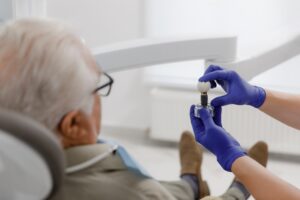
Porcelain veneers are thin shells of ceramic bonded to the front of teeth to change their color, shape, or size. Many people choose veneers to hide stains, chips, gaps, or uneven teeth and to get a brighter, more uniform smile in just a few visits. This post will weigh common benefits and the downsides of veneers in Minneapolis to help you decide if veneers are worth it for your smile.
Common Benefits Of Porcelain Veneers
Porcelain veneers resist stains better than natural enamel and give dentists control over color and shape. They can deliver dramatic cosmetic change faster than orthodontics or extensive restorative work. Many patients see big improvements in smile appearance after just two or three appointments. Porcelain also mimics the light-reflecting qualities of natural teeth, so results often look very natural.
Key Downsides Of Veneers
Irreversible tooth preparation
Most veneers require removing a thin layer of enamel. That enamel removal is permanent. Once enamel is removed, the tooth may always need some form of restoration if the veneer fails or is replaced.
Tooth sensitivity and short-term discomfort
After enamel is removed and the veneer bonded, some people have short-term sensitivity to hot and cold. A smaller number experience longer-term sensitivity that can require additional treatment.
Limited lifespan and need for replacement
Porcelain veneers typically last about 10–15 years but can vary. Eventually they may need replacement. Each replacement usually involves new bonding and sometimes more tooth reduction, committing the tooth to future care.
Possible damage, chipping, or debonding
Veneers can chip, crack, or come off with hard bites, grinding, or trauma. Minor chips may be repaired, but larger damage often requires replacing the veneer entirely.
Cost and long-term maintenance
Veneers are a cosmetic investment. Upfront costs can be high, and many dental insurance plans don’t fully cover cosmetic work. Over time, replacements and repairs add to the long-term cost.
Color match and texture limitations
Porcelain is very lifelike, but it won’t always match adjacent teeth perfectly, especially if you plan to whiten natural teeth later. Natural teeth can change color over time, creating a mismatch.
Who Should Be Careful About Veneers?
Veneers are less ideal for people who grind their teeth (bruxism), have active tooth decay, very thin enamel, gum disease, or unrealistic expectations. Addressing decay, gum health, or grinding first can reduce failures and complications.
Alternatives To Veneers
Composite bonding uses tooth-colored resin and is less invasive and less expensive but stains more easily and may not last as long. Crowns cover the entire tooth and are better when a tooth is weakened. Orthodontics like Invisalign correct alignment without removing enamel but take longer. Professional teeth whitening can lighten natural teeth without altering structure. Often a combination—whitening, minor bonding, or orthodontics—is a better long-term plan.
How To Reduce The Downsides Of Veneers
Get a full exam and imaging before treatment. Ask for conservative preparation and trial mock-ups or wax-ups so you can see results beforehand. Choose high-quality porcelain and skilled lab work. If you grind, use a custom night guard. Confirm written warranties and a clear maintenance plan with your dentist.
Considering Veneers? About Parkway Dental Center
If you’re weighing the downsides of veneers in Minneapolis, Parkway Dental Center in Minneapolis offers porcelain veneers with an on-site lab for better control and faster results. Their team reviews conservative options, provides financing and in-network insurance options, and recommends preventive steps like night guards when needed.
Conclusion — Are Porcelain Veneers Worth It?
Veneers can be worth it when you want a reliable cosmetic change and understand the trade-offs: permanent enamel removal, cost, and future maintenance. If you’re unsure, book a consult to review oral health, alternatives, and personalized risks before committing to veneers.