If you’re wondering how are dental implants attached in Minneapolis, the short answer is: a metal or ceramic post is placed into the jawbone, allowed to fuse with bone, then fitted with an abutment and a crown or prosthesis. This guide explains each step simply, so you know what to expect during evaluation, surgery, healing, and final restoration at a local Minneapolis practice.
What a dental implant is and why it matters
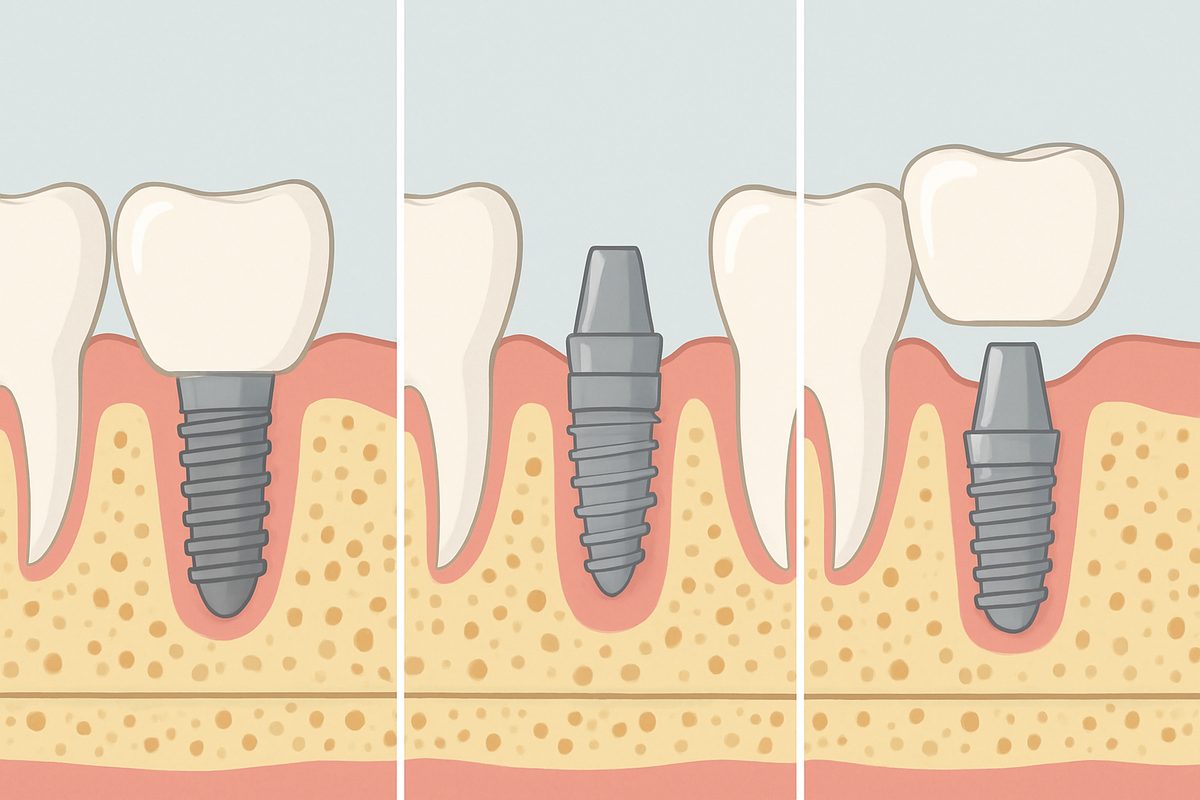
A dental implant replaces a missing tooth with three parts: the implant (a titanium or zirconia post), the abutment (connector), and the crown (the visible tooth). Implants feel and function more like natural teeth than bridges or dentures. They preserve bone, stop nearby teeth from shifting, and make chewing and speaking easier. For more information, you can check our Implant FAQ.
How Are Dental Implants Attached: Step-by-Step for Minneapolis patients
1. Consultation & digital planning
Your dentist will take X-rays or a CBCT scan, exam your mouth, and plan the implant size and position. Digital planning shows if bone grafting or extractions are needed. This stage sets expectations for time, costs, and sedation options.
2. Placement of the implant (surgical stage)
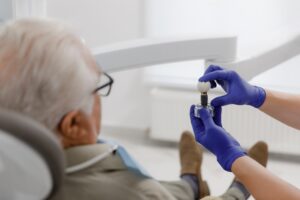
Surgery is often done with local anesthesia and optional sedation. The dentist drills a small hole and places the titanium or zirconia post into the jawbone. Sutures may be used. The procedure is usually quick and done in the clinic, with local aftercare instructions.
3. Healing and osseointegration
Osseointegration is when bone grows tightly around the implant. This can take 3–6 months depending on health and bone quality. You may have a temporary crown or denture during healing. Watch for normal swelling and mild discomfort; severe pain or fever needs prompt care.
4. Abutment and restoration
After the implant is stable, the dentist attaches an abutment and takes impressions or scans. The final crown, bridge, or full-arch prosthesis (such as All‑On‑4) is made and fitted. An on-site lab can speed this step and improve fit and color matching.
Variations in attachment methods
Single-tooth implants use one post and crown. Multiple implants can support bridges. All‑On‑4 uses fewer implants to hold a full arch. Immediate restoration places a crown right away in some cases; delayed restoration waits for full healing. Titanium is common; zirconia offers a metal-free option with strong aesthetics.
Factors that influence how implants are attached
Bone quality and grafting needs
Thin or soft bone may require grafts before implants can be placed safely.
Number and position of missing teeth
Front teeth need careful aesthetic planning; back teeth need strong support for chewing.
Patient health, smoking, and medical conditions
Diabetes, smoking, or certain medications can slow healing and affect success.
Recovery, care, and long-term success
Expect light swelling and soft-foods for a few days. Brush gently, avoid smoking, and attend follow-up visits. Regular cleanings and good home care keep implants healthy for decades.
Risks and when to contact your dentist
Watch for increasing pain, swelling, pus, looseness, or fever — these can signal infection or implant failure. Contact your dentist right away for evaluation and treatment. If this is an urgent matter, consider our emergency dentistry services.
About Parkway Dental Center’s implant approach in Minneapolis
Parkway Dental Center offers All‑On‑4, zirconia and titanium options, and an on-site lab to speed restorations. Their team uses digital planning and experience to tailor care. They also offer financing and work with major insurers to make treatment accessible. See our patient stories for real-world examples.
Next steps for Minneapolis patients curious about implants
If you still ask, “how are dental implants attached in Minneapolis?” schedule a consultation. Bring a list of medications, recent X-rays if you have them, and your questions. You can also fill out patient forms online beforehand. A short visit will clarify your options and costs.