Veneers can transform a smile, but many people ask, “are veneers bad?” Veneers are thin shells bonded to the front of teeth to change color, shape, or alignment. This article explains common risks and benefits, what to expect from treatment, who makes a good candidate, alternatives, and how to lower risk so you can decide confidently if veneers are right for you.
What are porcelain veneers?
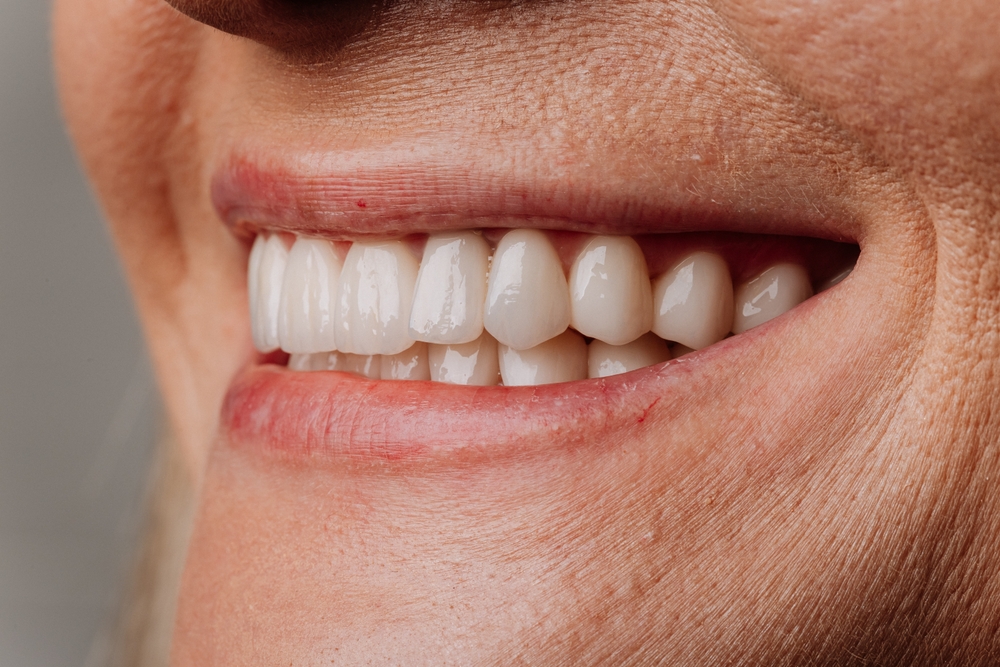
Veneers are custom-made shells that cover the front of a tooth. They’re usually made from porcelain or composite resin. Porcelain veneers mimic natural enamel’s light-reflecting properties and resist stains better than bonding. Placing veneers often changes a tooth’s shape and shade to create a uniform, brighter smile.
Why people ask “are veneers bad”
People worry because veneers often require removing some enamel, which is irreversible. Concerns include long-term tooth health, increased sensitivity, and whether veneers will look natural over time. Many ask “are veneers bad in Minneapolis, MN” because they want local providers who follow conservative, evidence-based techniques.
Risks and downsides of veneers
Enamel removal and permanence
Most traditional veneers require shaving a small amount of enamel to make room for the shell. Once enamel is removed, the change is permanent and the tooth will always need protection like a veneer or crown.
Sensitivity and risk of decay
Some patients experience transient sensitivity after prep. If the veneer margin isn’t sealed well or oral hygiene lapses, decay can form at the edge between tooth and veneer, which can threaten the tooth under the veneer.
Breakage, replacement, and ongoing costs
Veneers can chip or crack. Porcelain lasts longer than composite but still may need replacement after 10–15 years. Repairs and replacements add long-term cost compared with non-restorative options.
Color mismatch and maintenance
Veneers don’t respond to whitening. If your natural teeth stain or you whiten later, color mismatch can occur. Good maintenance and regular dental care are needed to keep the look even.
Benefits of veneers
Fast, dramatic cosmetic results
Veneers correct chips, gaps, stains, and minor misalignment quickly—often in two or three visits—producing a uniform, natural-looking smile.
Durable and stain-resistant (porcelain)
Porcelain veneers resist stains better than bonding and, with good care, can last a decade or more, offering a durable cosmetic solution.
Are veneers bad for your teeth if done properly?
When placed conservatively by an experienced dentist using quality materials and proper planning, veneers are generally safe and predictable. Good case selection and careful technique minimize risks.
Who is a good candidate?
Ideal candidates have healthy teeth and gums, sufficient enamel, and realistic expectations. People with active decay, severe grinding (bruxism), or very thin enamel may be better served by alternatives.
Alternatives to veneers
Options include professional teeth whitening, dental bonding, crowns, or orthodontics like Invisalign. Each may be a better choice depending on the issue and long-term goals.
How to reduce the risks
Choose an experienced cosmetic dentist, ask about minimal-prep veneers, verify lab quality, maintain excellent oral hygiene, and use a night guard if you grind.
What to expect during treatment and recovery
Treatment usually involves a consultation, tooth prep, temporary restorations, and final bonding. Expect mild short-term sensitivity and a follow-up to check fit and bite.
Cost, lifespan, and financing basics
Porcelain veneers often cost several hundred to over a thousand dollars per tooth and typically last 10–15 years. Many practices offer financing and are in-network with major insurers to help with affordability.
Light practice note: Why patients choose Parkway Dental Center for veneers
Parkway Dental Center in Minneapolis, MN offers porcelain veneers with an on-site lab for precise, faster results. Their doctors use conservative, evidence-based planning to prioritize long-term tooth health while delivering cosmetic outcomes.
Closing summary and next steps
Answering “are veneers bad”: not necessarily—when done with proper planning and care, veneers are a safe cosmetic option. Schedule a consult to discuss your goals and whether veneers are the best choice for your smile.