A dental implant can replace a missing tooth with a strong, natural-feeling result. This short, practical guide explains what to expect from the procedure, cost factors, and simple aftercare tips so you can make a clear decision in about 500 words.
How a Dental Implant Works
An implant has three parts: the implant (the root placed into bone), the abutment (the connector), and the crown (the visible tooth). After placement, the jawbone grows around the implant in a process called osseointegration. That fusion makes an implant feel and function like a natural tooth and helps preserve bone and facial structure.
Step-by-Step Procedure
Consultation and Planning
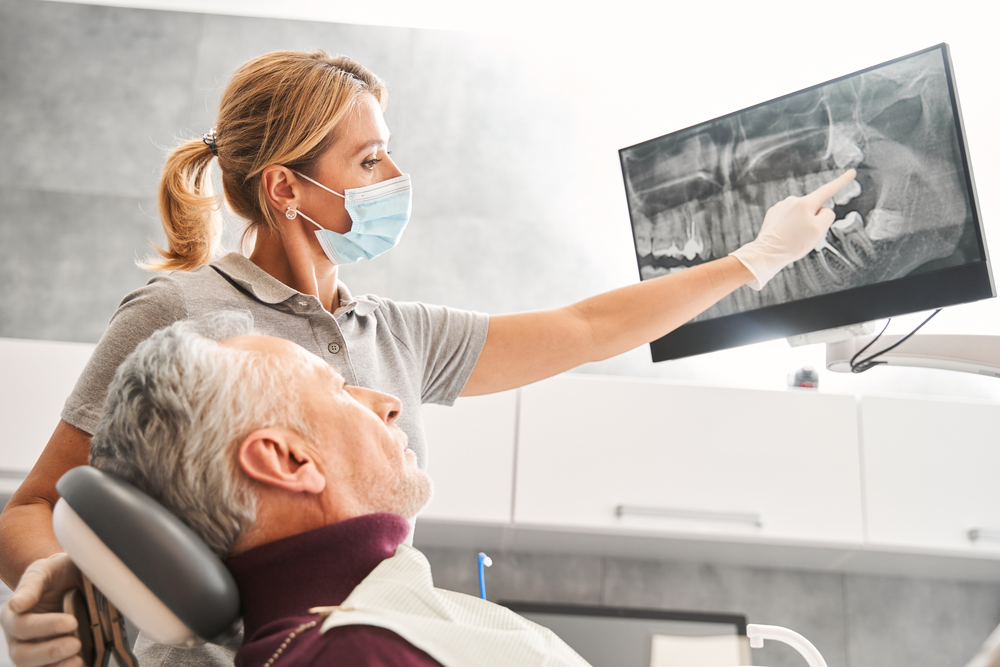
Your first visit includes an exam, X-rays or a 3D scan, and a treatment plan. The dentist will discuss options like zirconia implants or All‑On‑4. If you’re considering a dental implant in Minneapolis, the plan will note bone quality, any grafts needed, and a timeline.
Implant Placement Surgery
Implant placement is a minor surgical procedure. Local anesthesia is common; sedation can be offered for anxiety. Surgery often takes 30–90 minutes per implant. You may leave with a temporary crown or a healing cap, depending on the case.
Healing and Osseointegration
Bone integration usually takes several weeks to a few months. Normal healing shows mild swelling and tenderness that improve in days. Your dentist will check the site and decide when the implant is stable enough for the next step.
Abutment and Crown Placement
After healing, the abutment is attached and impressions are taken for the crown or bridge. A dental lab fabricates the final restoration; turnaround can be faster if the clinic has an on-site lab. Once fitted, the crown is secured and adjusted for bite and appearance.
Cost Overview and What Affects Price
Costs vary widely. Key factors: single vs. multiple implants, need for bone grafts or sinus lifts, implant material (zirconia tends to be pricier than titanium), and whether you choose All‑On‑4 full-arch solutions. Using an on-site lab can speed delivery but may affect pricing. Check financing plans and whether insurance covers part of the restoration.
Risks, Success Rates, and Who Is a Good Candidate
Implants have high success rates—often over 95% with proper care. Risks include infection, implant failure, or rare nerve injury. Candidates should have good oral health and sufficient bone. Smoking, uncontrolled diabetes, and poor bone health increase complications.
Aftercare and Recovery Tips
Right after surgery, control bleeding with gentle pressure, use ice for swelling, and take prescribed pain meds. Eat soft foods for a few days and avoid heavy exertion. Keep the area clean with gentle brushing and rinses. Regular dental checkups protect the implant long-term.
Questions to Ask at Your Implant Consultation
Ask about the dentist’s implant experience, implant brand/type, timeline, lab workflow, warranty, cost breakdown, and financing options. Also ask about specific options like zirconia implants or All‑On‑4 if you’re considering a full-arch restoration.
Why Choose Parkway Dental Center for a Dental Implant
Parkway Dental Center offers single-tooth implants, zirconia options, and All‑On‑4 full-arch solutions. Their on-site lab shortens crown turnaround, and the experienced team provides evidence-based planning. Financing and in-network insurance options help make treatment accessible to Minneapolis patients.
Next Steps / Call to Action
If you’re ready to learn whether a dental implant in Minneapolis is right for you, schedule a consultation. Parkway Dental Center provides patient forms and a payment portal to simplify the process. Contact the office to discuss your exam, treatment plan, and financing options.