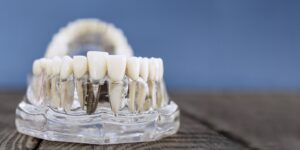
“Dent bone” refers to the loss of jawbone that happens after a tooth and its root go missing, or when infection damages the surrounding bone. Understanding what dent bone loss is, and how it impacts your candidacy for dental implants, matters for anyone considering implant treatment in 2026. This guide explains the causes, signs, treatment options, and next steps for protecting your jawbone health.
What Is Dent Bone (Jawbone Loss)?
Dent bone refers to loss of jawbone that happens when a tooth and its root are missing, or when infection damages the bone. The bone around a tooth stays healthy because the tooth root continually stimulates it. When that stimulation stops, the bone resorbs, or shrinks, over time. This process changes both how your mouth looks and how well you’re able to chew.
What Causes Dent Bone Loss?
Missing teeth are the most common cause of dent bone loss. Periodontal (gum) disease and untreated infections can destroy the bone around teeth, and trauma from injury or long-term denture wear without implant support can speed the process along. Systemic issues like osteoporosis, certain medications, and smoking can also make dent bone loss worse.
What Are the Signs and Symptoms of Dent Bone Loss?
Look for shrinking or receding gums, a shorter-looking face, or noticeable changes in jaw shape. Loose teeth, trouble chewing, and dentures that wobble or fall out can all signal that underlying dent bone has been lost. Patients often notice food slipping under their dentures or a sunken appearance around the mouth as bone loss progresses.
How Does Dent Bone Loss Impact Dental Implants?
Dental implants need solid, healthy bone to stay stable. If dent bone is thin or soft, an implant may fail or shift over time. Placing an implant into insufficient bone risks loosening, infection, or poor long-term results, which is why dentists often recommend building up the bone first so implants can last for decades.
What Treatment Options Can Restore Dent Bone?
Bone Grafting and Guided Bone Regeneration
Bone grafts add material to rebuild lost jawbone, using bone from your own body, a donor, or synthetic materials. Guided bone regeneration uses a protective membrane over the graft while new bone grows in. Most patients heal for several months before implants are placed.
Sinus Lifts and Ridge Augmentation
Sinus lifts raise the sinus floor and add bone in the upper back jaw when dent bone is too thin to support implants there. Ridge augmentation rebuilds a flattened jaw ridge to create a stable foundation for implant placement.
Zirconia Implants and Implant Material Choices
Implants come in materials like titanium and zirconia. Zirconia is metal-free and can be a good fit for patients with certain preferences or sensitivities. Your dentist will recommend the best implant material based on your dent bone health and overall needs.
How Can I Prevent Dent Bone Loss?
Protect your jawbone by replacing missing teeth quickly, options like immediate implants or socket grafting at the time of extraction can prevent bone from resorbing in the first place. Good periodontal care, quitting smoking, and a balanced diet rich in calcium and vitamin D also help preserve bone density over time.
What Is the Timeline and Cost for Dent Bone Treatment?
Bone graft healing typically takes three to six months before implants can be placed, though some cases allow for same-day implant placement. Added dent bone procedures raise the overall cost and extend treatment time, but many practices, including Parkway Dental Center, offer financing and work with insurance providers to help manage expenses.
How Do I Find the Right Team for Dent Bone and Implant Care?
Choose a team with implant training, on-site imaging (CBCT), and clear, written treatment plans. Experienced teams reduce surprises during treatment and improve long-term outcomes for patients dealing with bone loss.
How Does Parkway Dental Center Approach Dent Bone and Implant Treatment?
Parkway Dental Center in Minneapolis uses on-site imaging and an in-house dental lab to plan bone grafts, All-on-4, and zirconia implants. Dr. Constantin, Dr. Determan, and Dr. Ferreira take a team approach to restoring dent bone and rebuilding smiles predictably.
Frequently Asked Questions
Can dental implants be placed if I already have dent bone loss? Often, yes. Many patients with dent bone loss can still receive implants after a bone graft or sinus lift rebuilds enough bone to support them. Your dentist will evaluate your bone with imaging to confirm the right approach.
How long does it take to recover from a bone graft? Healing typically takes three to six months before an implant can be placed, though the exact timeline depends on the size of the graft and your individual healing response.
Does smoking really affect dent bone loss? Yes. Smoking reduces blood flow to the gums and jawbone, which slows healing and increases the risk of further bone loss and implant complications.
Is a bone graft painful? Most patients report mild discomfort that’s manageable with over-the-counter or prescribed pain medication, similar to what you’d expect after a tooth extraction.
Can I get a same-day implant if I have bone loss? Sometimes. Same-day implant placement depends on having enough existing bone density. If bone loss is significant, a graft is usually needed first before an implant can be placed safely.
What happens if dent bone loss is left untreated? Untreated bone loss can continue to progress, changing your facial structure, making dentures less stable, and reducing your candidacy for future implant treatment. Early evaluation preserves the most options.
Can Dent Bone Loss Affect My Facial Appearance?
Yes. Because the jawbone supports the soft tissue of the lower face, significant dent bone loss can lead to a sunken or collapsed appearance around the mouth and jaw over time. Restoring lost bone with grafting, and stabilizing the area with an implant, not only supports a healthy bite but can also help preserve a fuller, more natural facial profile compared to leaving the bone loss untreated or relying on dentures alone.
Next Steps If You’re Worried About Dent Bone
Book an exam with imaging to evaluate your dent bone, prepare questions for your dentist, and ask about financing options if needed. Early evaluation gives you the most treatment choices and the best long-term results. Call Parkway Dental Center at (612) 429-4330 to schedule your consultation.